|
This is the time of the year that landscapers dread. While most of us are involved during the summer, vacationing and recreating, landscapers at this time are at their busiest. Below I have outlined some of the areas we must focus our service on during this time of the year. Hopefully it will also give you a little better understanding why we may look a little "frazzled" from time to time during this season.
"Hot Spots"
 When the temperatures reach the mid eighties or more areas of turf which may not be getting the same amount of irrigation as another area will fade to yellow and if severe enough will eventually brown out and die or partially die out leaving an area of patchy grass. This can also be exacerbated where you have turf in areas of different elevations, such as a berm, where the irrigation coverage at the top of the berm will drain to the lower part of the berm. As a consequence, this in conjunction with the turf at the top of the berm receiving more direct sunlight will expose the turf to scorching. Another contributor to the problem can be poor soil fertility or inconsistent soil structure that can either tie up or deplete nutrients in the soil. Our strategy in dealing with these issues is to have our weekly irrigation visits concentrate on balancing out the irrigation coverage to the turf so that we can mitigate the hot spots before they actually kill the grass. Hopefully the existing irrigation zones are configured according to the different elevations and exposures of the turf so that we can through creative programming using repeat cycles, etc., eliminate or greatly reduce the areas of stressed turf. Sometimes in severe cases we can take additional measures such as a granular Gypsum application to help develop soil structure by releasing Calcium and as a consequence of a process called the 'cation' exchange Oxygen into the soil, which accommodates the uptake of nutrients by the roots.
Irrigation Coverage/Programming
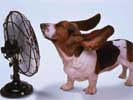 During this time of the year when the temperatures are high, the performance of the irrigation systems are tested to their limits. During the late autumn (excepting periods of Santa Ana winds), Winter, and Spring the combination of cooler weather, shorter days, and rainfall work together in keeping the ET (evapotranspiration) rates at a minimum requiring the irrigation systems to only supplement the moisture already in the root zones. These conditions give us much more latitude with regards to our irrigation coverage whereby the performance of the irrigation system is not nearly so important as during hot weather. In hot weather with little or no rainfall not only are the landscapes completely dependent upon the irrigation system but the increased ET rates also make the need to replace that moisture more frequently. Addressing the irrigation system's ability to provide optimum (overlapping) coverage is one way we contend with the issue. The other measure we take is to make sure that we are continually revising the irrigation program of the controllers to adjust the irrigation timing, sequences, and repeat cycles in order to keep the system on the threshold of providing the minimum amount of water required to keep the landscape healthy while keeping the water runoff or system over spray to a minimum.
Seasonal Color
Due to the aforementioned reasons Seasonal Color requires even more attention than usual. Seasonal Color is the most perishable item we have in the landscape. In fact in times of sustained high heat, such as 95 degrees or above, even if we have the optimum amount of moisture for the color it will still "wilt" or get "scorched" and will not recover. We even have a clause in our contract that defines this situation as an "Act of God" and therefore alleviates our responsibility to replace. This clause would only apply if we did everything possible to sustain the color through the hot period to no avail. I might also mention in the 12-year history of our firm we have never exercised this option even though we met the criteria specified above. It is important given these circumstances that we are careful in our selection of what type of color to use and the location it is to be installed as different types of seasonal color have varying capabilities to withstand high heat. Of course there are additional factors that are important in the color selection process, which also need to be considered at the same time.
Pest/Disease Control
 Again due to the heat at this time of the year, pest infestation and disease is most active at this time of the year. A landscape's ability to withstand the increased pest infestation and disease activity is mostly dependent upon the health of the plant material. When healthy the natural defenses (immune system) of the plant material are usually able to ward off or limit most infestations or diseases. However when they are under stress, which most times can be directly related to the plant material being to wet or to dry, the plant materials' defenses are unable to successfully ward off the pests or disease. It is therefore once again imperative that we keep the irrigation systems in good working order and we constantly check our system coverage and programming in order to ensure that the plants are receiving the correct amount of moisture so the plants can limit the stress they experience when its hot. Of course sometimes even when a plant is healthy they will get infested or diseased by new predators unknown to the area. They can also become infested or diseased even when they are healthy if they are a host plant such as a Hibiscus or Xylosma shrub which are susceptible to a relatively new pest (as of 2 years ago) the "Giant Whitefly". The key in these situations is to make sure the plants are healthy so they will help to control the infestation. If infected it is important that it is discovered early on and the infestation is treated as soon as possible so that you can limit the infestation and damage to the plant material. For more information on pests and diseases that can effect your project's landscape see the accompanying article on our web site titled pest/disease infestations.
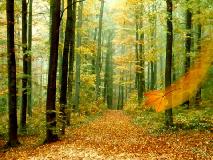 As the Summer abates we will start transitioning our service to focus more on Autumn issues such as Fall tree trimming, leaf pick up, and protecting susceptible plant material in the landscapes from the 'Santa Ana' winds that start their season in October. Our other challenge weather wise in the fall is dealing with the hot afternoons and equally cold nights. The temperatures range sometime from night to day in excess of 40 degrees Fahrenheit. It is extremely hard on some types of plant material.
Look for our autumn column around the end of October beginning of November.
As the Summer abates we will start transitioning our service to focus more on Autumn issues such as Fall tree trimming, leaf pick up, and protecting susceptible plant material in the landscapes from the 'Santa Ana' winds that start their season in October. Our other challenge weather wise in the fall is dealing with the hot afternoons and equally cold nights. The temperatures range sometime from night to day in excess of 40 degrees Fahrenheit. It is extremely hard on some types of plant material.
Look for our autumn column around the end of October beginning of November.
Back to the
What's New page
|